
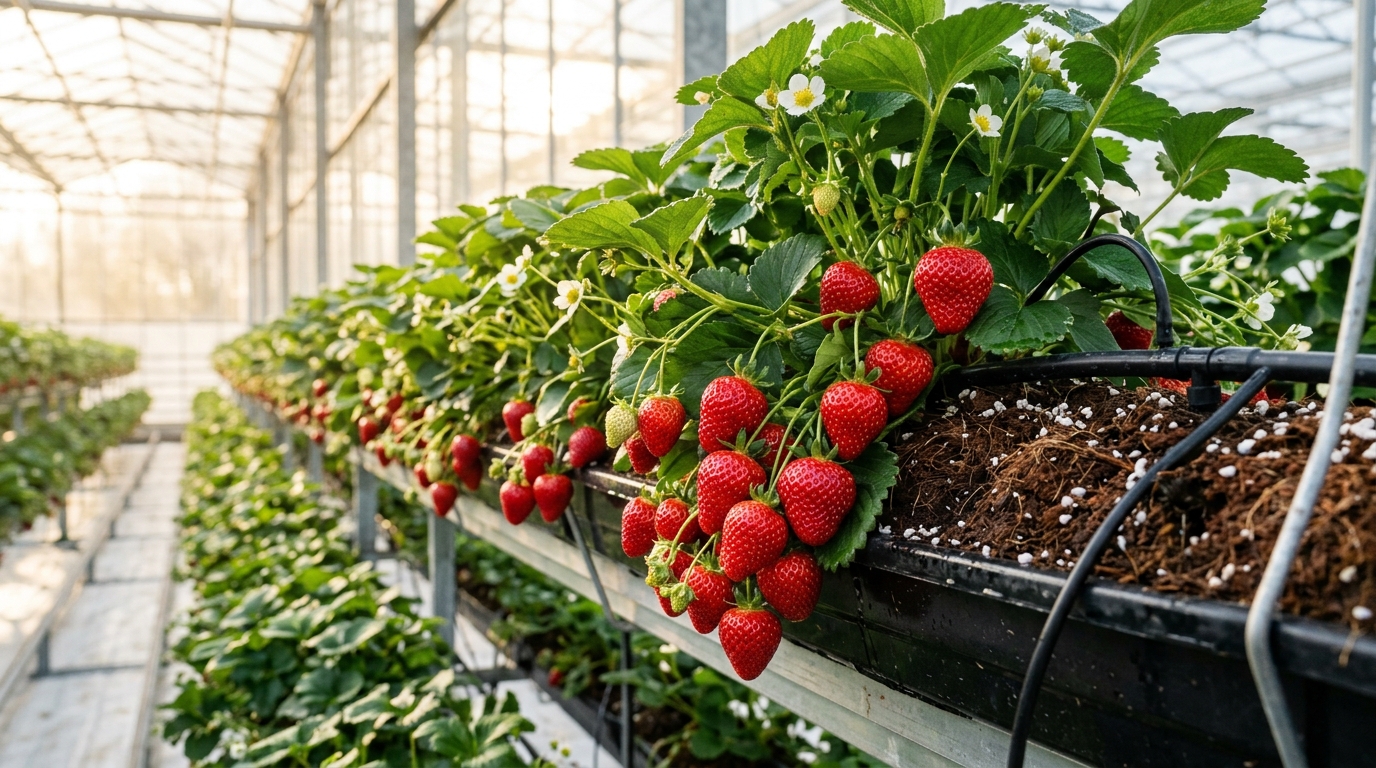
By direct-sourcing coco peat substrates straight from specialized manufacturing hubs—such as Berri Coco Coir in India—importers and growers can lock in competitive wholesale pricing while securing strict control over product specifications.
Here is a look at why direct factory sourcing makes economic sense, and how buyers evaluate this model for maximum yield and efficiency.
1. Cost Efficiency & Wholesale Price Optimization
The primary driver for direct factory sourcing is unit economics. Eliminating third-party brokers lowers per-unit substrate costs dramatically.
- FOB Factory Pricing: Sourcing directly allows you to negotiate base prices per metric ton, 5kg block, or grow bag directly at the source.
- Optimized Container Loads: Direct-from-factory orders allow for custom container packing (such as floor-loaded 40ft High Cube containers) to fit up to 24–26 tons of compressed substrate, lowering your per-kilogram ocean freight cost.
- Volume Tier Discounts: Direct relationships open up flexible contract terms, seasonal price locks, and tiered discounts on high-volume commercial orders.
2. Technical Control: Matching Substrates to Crop Needs
Different crops require different chemical and physical substrate properties. A common issue with generic distributors is standardizing on a single batch type that might not suit sensitive commercial crops like strawberries, blueberries, or tomatoes.
Sourcing direct from a specialized factory like Berri Coco Coir allows buyers to specify exact parameters before production begins:
- Electrical Conductivity (EC): Request unwashed coir for basic landscaping, triple-washed coir (EC<0.5mS/cm) for standard nursery crops, or fully buffered (calcium nitrated) coir for precision hydroponic setups.
- Custom Blend Ratios: Formulate exact mixtures—such as 70/30 coir-pith to husk chips or 50/50 mix—to balance water retention, air-filled porosity (AFP), and root aeration.
- pH Levels: Ensure consistent pH targeting (5.5–6.5) required for optimal nutrient uptake in closed-loop fertigation systems.
3. Supply Chain Security & Quality Consistency
Commercial growers cannot afford batch-to-batch variability, as inconsistent expansion or high salt content can ruin an entire yield cycle.
Working directly with a reputable coir factory provides:
- Batch Traceability: Direct access to lab certificates (1:1.5 extraction tests) for sodium (Na+), potassium (K+), and heavy metals prior to container loading.
- Quality Packaging: Customizable, heavy-duty UV-stabilized poly bags (black/white LDPE) rated for 2 to 3 years under harsh greenhouse light conditions.
- Dedicated Production Slots: Locking in production capacity in advance ensures your growing media arrives on time for seasonal planting schedules.
What Importers Need to Check Before Direct Ordering
To execute a seamless direct import strategy, buyers should ensure:
Sieving & Dust Removal
Confirm the factory uses fine-mesh sieving to eliminate short fibers and fine dust (<1mm) to prevent channel compaction over time.
Drying Infrastructure
Verify whether the facility utilizes covered yards or mechanical drying to keep supply consistent during monsoon cycles.
Phytosanitary Certification
Confirm that heat treatment and phytosanitary inspections are conducted prior to shipment to clear import customs without delays.
The Verdict
Direct sourcing from factory partners like Berri Coco Coir moves growers and importers from reactive purchasing to proactive supply chain management. By securing competitive factory-direct pricing, custom crop formulations, and strict batch controls, direct sourcing delivers the consistency required for high-yield commercial agriculture.