
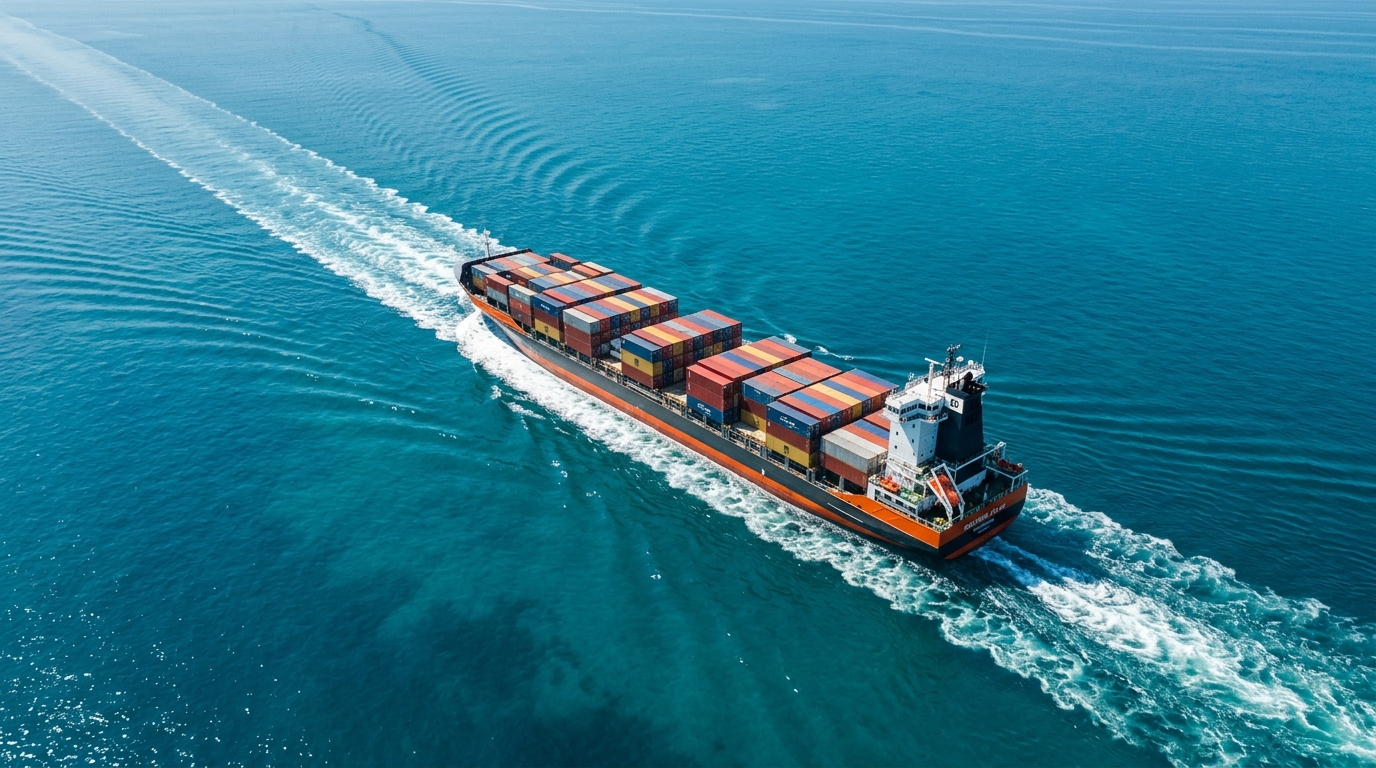
While coco peat itself remains one of the most cost-effective and eco-friendly growing media on the planet, its global price has surged significantly. The primary driver behind this spike isn't a shortage of coconuts, but rather a bottleneck on the high seas: unprecedented increases and instability in global ocean freight rates.
1. Why Ocean Freight Impacts Coco Peat More Than Other Goods
To understand why shipping costs disproportionately hit the coir market, you have to look at the physical nature of the product:
- High Volume-to-Value Ratio: Coco peat is a bulk commodity. Even when compressed into 5 kg blocks or high-density grow bags, it takes up massive physical space inside a shipping container relative to its monetary value.
- Geography of Production: Major global supply centers—primarily South India (Pollachi, Tamil Nadu, and Kerala) and Sri Lanka—ship thousands of miles to key agricultural markets in North America, Europe, and the Middle East.
- Landed Cost Sensitivity: Because freight charges often make up 40% to 60% of the total CIF (Cost, Insurance, and Freight) landed price of a container, any jump in shipping rates directly inflates the final price paid by foreign buyers.
Typical Landed CIF Cost Anatomy
In volatile shipping environments, ocean freight overtakes raw product value as the largest cost component for imported coco peat.
2. The Current Global Shipping Situation
Ocean shipping costs have faced continuous pressure due to interconnected global logistics disruptions:
Maritime Route Rerouting and Surcharges
Geopolitical tensions and security risks along major maritime choke points (such as the Red Sea and West Asia) have forced container ships to take longer alternative routes around Africa. Longer voyages mean higher fuel consumption, tied-up container capacity, and steep “Peak Season” or “Emergency Transit” surcharges imposed by ocean carriers. In many trade lanes out of South Asia, freight rates have doubled or even tripled compared to baseline periods.
Equipment & Container Shortages
Because ships are spending extra days at sea, empty containers are not returning to major South Asian ports quickly enough. Indian exporters face severe competition for available 40ft High-Cube (HC) containers, pushing spot container rates up even further.
3. Secondary Factors Amplifying the Price Spike
While sea freight is the main culprit, local supply chain pressures are compounding the issue:
- Rising Raw Material & Local Transport Costs: Surging inland fuel prices have increased trucking costs from rural processing hubs in Tamil Nadu and Kerala to regional exit ports like Tuticorin and Cochin.
- Increased Processing Expenses: Unseasonal weather and rising labor costs in primary manufacturing zones have increased the price of raw coconut husks, adding upwards pressure at the factory gate before the product even hits a container ship.
How Importers and Growers Can Manage the Price Hikes
While global freight rates remain volatile, commercial buyers can take strategic steps to manage land-in costs:
1. Max out Container Density
Ensure orders are packed in maximum-compression 5 kg blocks or optimized grow bags to get the highest tonnage per 40ft HC container.
2. Book Container Space Early
Lock in shipping slots 4 to 6 weeks in advance rather than relying on spot-market freight rates.
3. Opt for Long-Term Contracts
Work directly with factory-direct Indian suppliers through annual supply agreements to help insulate your operations against sudden short-term spot spikes.